
You’ll find clear Invisalign options in Methuen, MA that fit different budgets, lifestyles, and dental needs—many practices offer traditional Invisalign, teen-specific plans, and faster clear aligner options tailored to your case. If you want a discreet, removable alternative to braces with personalized treatment plans and local providers who guide you from consultation to completion, Methuen clinics make that accessible.
They explain treatment types, what to expect during visits, and how to care for aligners so you can choose confidently. Expect guidance on costs, financing, and scheduling your first appointment so you can move from curiosity to a practical plan.
Understanding Invisalign
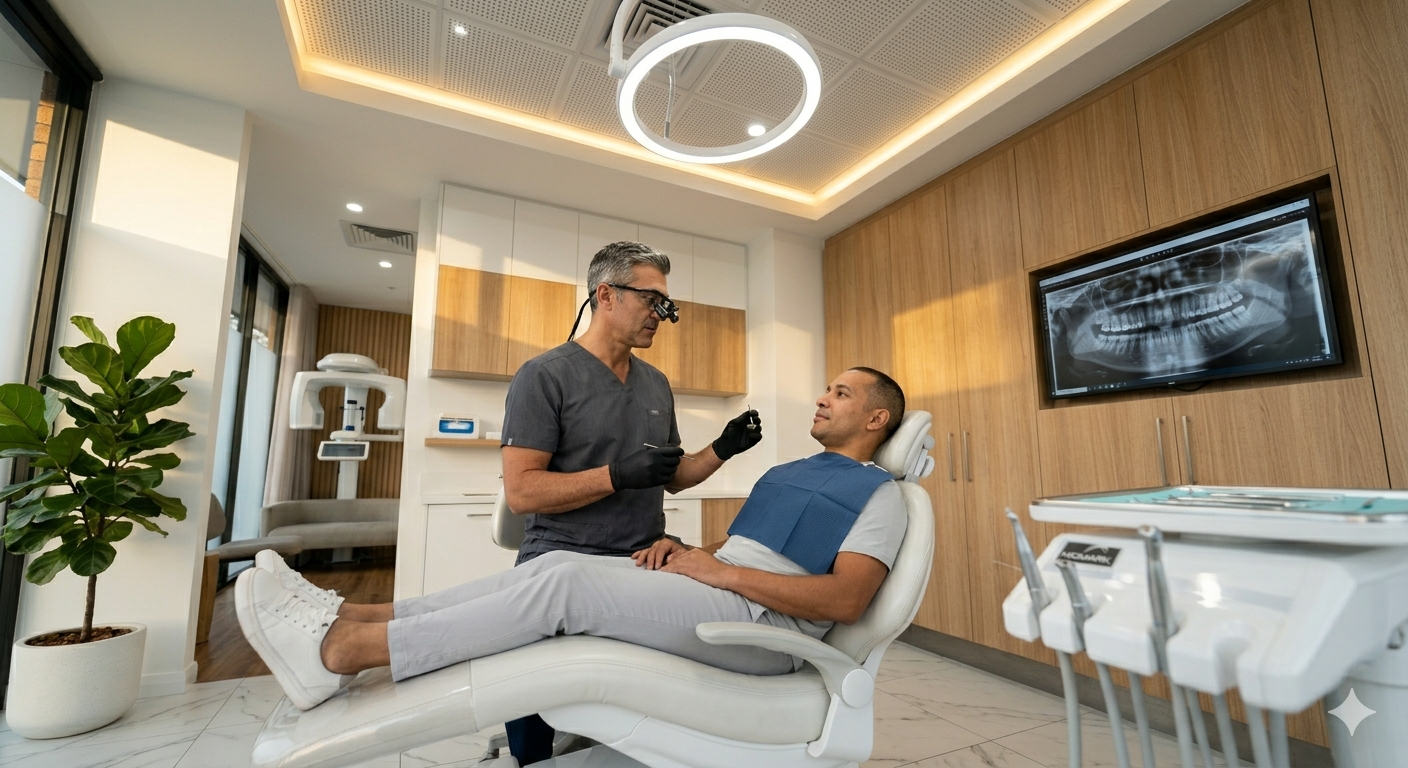
Invisalign uses clear, removable aligners to shift teeth. It treats crowding, spacing, mild-to-moderate bite issues, and offers a discreet alternative to metal braces.
How Invisalign Works
Invisalign relies on a digital treatment plan and a series of custom-made, BPA-free plastic aligners. A clinician scans the patient’s teeth and designs incremental movements; each aligner typically wears for 1–2 weeks and moves teeth a fraction of a millimeter.
Patients wear aligners about 20–22 hours daily, removing them only to eat, drink (except water), brush, and floss. Cleanliness matters: rinsing aligners and brushing after meals prevents staining and odor.
Appointments occur every 6–10 weeks for progress checks and new aligner pickup. Attachments—small tooth-colored bumps bonded to teeth—can be used when extra grip or rotation is needed. Elastics may supplement treatment for certain bite corrections.
Who Is a Good Candidate
Ideal candidates are adults and teens with fully erupted permanent teeth who need correction for crowding, gaps, mild overbite, underbite, or crossbite. Patients with severe skeletal discrepancies, complex jaw issues, or very large tooth movements might require traditional braces or combined orthodontic and surgical care.
Good candidates can commit to wearing aligners most of the day and keeping regular appointments. Those with active gum disease, extensive untreated decay, or poor oral hygiene should address these problems before starting. Invisalign also works well for patients seeking a discreet option for social or professional reasons.
Typical Treatment Timeline
Treatment length depends on case complexity. Simple cases—minor crowding or small gap closure—often finish in 3–6 months. Moderate corrections usually take 9–18 months, while more involved movements can extend beyond 18 months.
The process starts with consultation and digital scanning, then aligner fabrication takes about 2–4 weeks. Patients switch aligners every 1–2 weeks and attend periodic checks every 6–10 weeks. Post-treatment retention with clear retainers or bonded retainers prevents relapse and typically requires long-term maintenance.
Different Types of Invisalign Treatments
Patients in Methuen see three core Invisalign options that vary by complexity, treatment length, and cost. Each option targets specific alignment needs—from comprehensive corrections to minor tweaks—so patients can choose a plan that fits their goals and schedule.
Invisalign Full
Invisalign Full treats moderate to complex bite and alignment issues using a full series of custom clear aligners. It typically includes unlimited refinements while the dentist monitors progress, which helps when teeth need significant movement or bite correction. Treatment length often runs 12–24 months depending on severity.
Patients receive new trays every 1–2 weeks and regular check-ups every 6–10 weeks. This option covers most adult orthodontic needs, including crowding, gaps, rotations, and overbites. Costs are higher than shorter programs but include comprehensive planning and follow-up.
Invisalign Lite
Invisalign Lite suits mild to moderate alignment concerns, such as small spacing issues or slight crowding. Treatment usually completes in about 6–10 months with a limited number of aligners and fewer refinements allowed. It strikes a balance between effectiveness and affordability.
Dentists will map a clear sequence of movements and check progress periodically, often every 6–8 weeks. Patients who had prior orthodontics but need minor relapse correction often choose this plan. It costs less than Full while still offering predictable outcomes for simpler cases.
Invisalign Express
Invisalign Express addresses very minor corrections—small rotations, minimal spacing, or finishing touches after braces. Treatment often lasts 3–6 months with a predefined small number of aligners, commonly 5–10 trays. It’s the fastest and least expensive option.
This plan works well for patients seeking quick cosmetic improvements or those with only slight relapse. Visits are brief and infrequent, focused on confirming fit and progress. Dentists will recommend Express only when three-dimensional tooth movements are minor and predictable.
Customizing Invisalign for Individual Needs
Patients receive tailored Invisalign plans that address age, bite issues, and lifestyle. The clinic maps tooth movement digitally, sets milestones, and adjusts aligners to balance comfort with efficient progress.
Solutions for Teens and Adults
For teens, the practice combines Invisalign Teen aligners with eruption monitoring and compliance indicators. Aligners include blue wear-time indicators and can be paired with temporary anchorage devices (TADs) for harder-to-move teeth, while appointments every 6–8 weeks track both orthodontic progress and jaw growth.
Adults benefit from clear aligners designed for restorative or cosmetic needs. Attachments (tooth-colored composite bumps) and precision cuts for elastics help correct rotations, gaps, and mild-to-moderate bite issues. For patients with crowns or bridges, the team assesses restorability first and uses digital scans to plan movements that protect existing dental work.
Both age groups receive customized retention plans. Retainers are prescribed based on treatment complexity and can be fixed or removable, with clear schedules for nocturnal wear to maintain results.
Treatment for Complex Cases
When malocclusion exceeds typical Invisalign limits, clinicians evaluate combined approaches. They may sequence Invisalign with limited braces, use interproximal reduction (IPR) to create space, or integrate TADs to control vertical movement and molar intrusion.
Complex cases like severe crowding, large open bites, or significant jaw asymmetry require interdisciplinary coordination. The orthodontist collaborates with an oral surgeon or restorative dentist for surgical-orthodontic plans or to stage restorative work after alignment. Digital treatment simulation shows predicted outcomes, which helps set realistic timelines and consent.
Patients with periodontal concerns get a modified protocol. The team slows movement, increases monitoring frequency, and partners with a periodontist to ensure bone and gum health remain stable throughout orthodontic care.
Benefits Over Traditional Braces
Invisalign offers a discreet, low-profile approach to straightening teeth with clear aligners, reduced discomfort, and fewer dietary limits. Many patients in Methuen notice easier oral hygiene and less impact on speech and appearance compared with metal braces.
Comfort and Aesthetics
Invisalign aligners use smooth, BPA-free plastic molded to the patient’s teeth, which cuts down on the gum and cheek irritation commonly caused by metal brackets and wires. Patients report fewer emergency visits for broken wires or loose brackets, which reduces unplanned chair time.
Because aligners are clear and closely fit the dental surfaces, they remain less visible in daily life and in photos. This appeals to adults and teens concerned about professional appearance or school activities. Color-matched attachments, when needed, are small and unobtrusive.
Treatment planning uses 3D scans and computer simulations, allowing clinicians to predict tooth movements precisely and create thinner, tapered trays that prioritize comfort. Adjustments between stages feel gradual, so pressure is more controlled than the periodic tightening patients experience with braces.
Removability and Convenience
Aligners come out for eating and brushing, so patients maintain their normal diet and oral hygiene routines without navigating around brackets. This reduces the risk of decalcification and staining that can occur when cleaning around fixed appliances.
Removability also simplifies special occasions—athletes can use mouthguards during contact sports, and musicians can play wind instruments without hardware interference. For travel, patients can temporarily remove aligners for short events, then resume wear without altering treatment significantly.
Compliance requires wearing aligners about 20–22 hours per day. Many practices in Methuen supply tray cases and mobile apps that send wear-time reminders, making it easier to stay on schedule and avoid extended treatment times.
What to Expect During Treatment
Patients will learn how appointments proceed, what daily life looks like with aligners, and how progress is monitored. The section explains initial exams, timeline estimates, routine care, and expected sensations so readers can prepare practically and confidently.
First Consultation Experience
At the first visit, the dentist performs a focused oral exam and takes digital scans or X-rays to map tooth positions. The clinic reviews medical history, discusses goals, and shows before-and-after simulations to set realistic expectations.
The provider explains timeline options—typically 6 to 18 months—based on the complexity of crowding, spacing, or bite issues. Cost estimates, insurance coverage, and financing choices are presented clearly so patients can decide without surprises.
Patients receive instructions about wear time (usually 20–22 hours per day), cleaning methods, and eating rules. The staff answers questions about comfort, attachments, and how aligners might affect speech during the first days.
Steps in the Aligners Process
The lab or in-office system crafts a series of custom clear aligners from the digital plan. Each aligner set moves teeth a fraction of a millimeter; patients typically change to the next set every 1–2 weeks as directed.
Routine check-ins occur every 6–10 weeks to verify movement and adjust the plan if teeth lag behind. These visits are brief: the provider checks fit, may dispense new sets, and gives guidance on elastics or refinements if needed.
Daily life involves removing aligners to eat, brushing after meals, and soaking or brushing the trays to prevent staining and odor. Mild soreness for 2–4 days after switching trays is common and manageable with over-the-counter pain relievers or soft foods.
If refinements are necessary, the clinic takes new scans and fabricates additional aligners to complete the finish. The process ends with retention—custom retainers—to preserve results and avoid relapse.
Caring for Your Aligners
Proper daily care keeps aligners clear, comfortable, and effective. Regular cleaning, safe storage, and consistent wear prevent staining, odors, and treatment delays.
Cleaning and Maintenance Tips
Patients should rinse aligners with lukewarm water every time they remove them to dislodge saliva and debris. Avoid hot water; it can warp the plastic and ruin the fit.
Brush aligners gently with a soft-bristled toothbrush and a mild, unscented liquid soap at least twice daily. Do not use toothpaste with whitening ingredients or abrasive particles—those scratch the surface and trap stains.
Use a cleaning soak (clear denture or aligner-specific solution) once daily or every few days per the manufacturer’s directions. Follow the product timing exactly and rinse thoroughly afterward.
When eating, remove aligners and store them in their hard case to prevent loss or damage. Avoid wrapping aligners in napkins—this is a common cause of accidental disposal.
Best Practices for Lasting Results
Wear aligners for the recommended 20–22 hours per day to stay on schedule with tooth movement. Skipping hours can extend treatment by weeks or months.
Keep a small hygiene kit with a case, soft brush, and travel-sized soap for work or outings to maintain cleaning routines away from home.
Attend scheduled check-ins with the Methuen provider; they verify fit and adjust the plan if teeth aren’t tracking properly. Bring the current and previous aligners to appointments to help the clinician assess progress.
If an aligner cracks or becomes uncomfortable, contact the orthodontic office immediately. The team may advise wearing the previous pair, the next pair, or provide an urgent replacement to avoid treatment disruption.
For cosmetic concerns, avoid dark-colored foods and beverages while wearing aligners and remove them for meals to reduce staining of teeth and trays. Regular dental cleanings and good oral hygiene protect enamel and support predictable outcomes.
Cost and Financing Options
Costs vary by case complexity, provider, and whether additional treatments (like attachments or refinements) are needed. Most Methuen practices offer multiple payment paths to make Invisalign manageable for patients.
Insurance and Payment Plans
Many Massachusetts dental insurance plans cover part of clear aligner treatment under orthodontic benefits, but coverage limits and lifetime maximums differ. Patients should check their policy for orthodontic eligibility, age restrictions, and whether Invisalign specifically is listed. The practice’s staff can run benefits checks and estimate patient responsibility before treatment begins.
Practices commonly accept flexible payment methods: credit/debit cards, checks, and cash. They also offer in-house financing or third-party plans (e.g., CareCredit, LendingClub) with terms ranging from 6–60 months. Typical monthly payments fall between $100–$350 depending on total cost and down payment.
Transparent fee breakdowns help patients compare options. Ask the office for an itemized estimate that shows diagnostics, aligner cost, mid-course revisions, and retention (retainers). Many offices allow splitting costs between spouses or adding treatment to an HSA/FSA for tax-advantaged payment.
Finding Invisalign Providers in Methuen, MA
Patients can start by checking local dental practices that list Invisalign as a service. Many family dentists and orthodontists in Methuen offer clear aligner consultations, so looking for providers with both experience and patient reviews helps narrow options.
They should look for credentials and experience with clear aligner cases. Board-certified orthodontists typically focus on tooth movement full-time, while general dentists may provide Invisalign for milder cases; both can be excellent depending on the patient’s needs.
Use practical tools to compare providers: online reviews, before-and-after galleries, and provider profiles that show treatment length and case complexity. Call offices to ask about initial consultation costs, whether they use iTero or other digital scanners, and what financing or payment plans they offer.
Consider patient comfort and office workflow as part of the decision. Questions about appointment availability, emergency policies, and staff communication style reveal how supported patients will feel during treatment.
A simple checklist helps during calls or visits:
- Provider type: orthodontist or general dentist
- Years of Invisalign experience
- Use of digital scans vs. traditional impressions
- Estimated treatment time and follow-up schedule
- Financing and insurance acceptance
They should schedule a consultation to get a personalized plan and estimate. Encourage readers to bring questions and any prior dental records to make the most of that visit.
Scheduling Your Initial Appointment
Patients can schedule an initial consultation by phone, online form, or through the practice’s patient portal. Staff typically offer weekday and limited weekend times to fit busy schedules, and they confirm appointments via text or email for convenience.
At the first visit, the team reviews medical history, takes digital scans or impressions, and discusses treatment goals. The appointment usually lasts 30–60 minutes, depending on imaging and questions.
Insurance, financing, and Invisalign package options get a clear review before any commitment. Patients should bring ID, insurance cards, and a list of current medications to speed check-in.
If a preliminary teeth cleaning or X-rays are needed, the office will coordinate these either the same day or at a separate visit. The staff explains estimated costs, out-of-pocket amounts, and available payment plans in straightforward terms.
Patients who prefer telehealth can request a virtual pre-screen to determine if an in-person scan is necessary. This helps save time and lets the practice prepare personalized treatment estimates.
To reschedule or cancel, most offices ask for 24–48 hours’ notice to avoid fees and allow other patients to book. New patients often benefit from calling early in the week for the widest selection of appointment times.
Frequently Asked Questions
This section answers common patient concerns about treatment fit, timelines, costs, comfort, and what to expect at the first visit. It gives clear, practical details patients in Methuen, MA need to decide whether clear aligners are a suitable option.
How do I know if clear aligners are a good fit for my smile goals?
A licensed provider evaluates bite, tooth spacing, and jaw relationships during an exam and digital scan.
Mild crowding, spacing, and some bite issues are usually excellent candidates for clear aligners; severe skeletal problems often need braces or orthodontic surgery.
They will review goals such as straightening front teeth, closing gaps, or correcting a crossbite and explain likely outcomes.
If esthetics and comfort matter, aligners often offer discreet daytime wear and removable convenience.
What’s the difference between Invisalign and other clear aligner brands?
Invisalign uses proprietary SmartTrack material and ClinCheck software for 3D treatment planning and tooth movement staging.
Other brands may use different plastics, treatment workflows, and pricing models; some are clinician-directed while others are teledentistry-focused.
A local dentist or orthodontist can compare predicted movements, provider oversight, and warranty/retention policies to recommend the best system.
He or she will also explain whether attachments, elastics, or refinements are likely with each brand.
About how long does treatment usually take for mild vs. more complex cases?
Mild alignment issues often resolve in 3–9 months with consistent wear (20–22 hours daily).
Moderate cases typically take 9–18 months depending on bite correction needs.
Complex cases involving significant bite changes, rotations, or jaw discrepancies can extend beyond 18 months and may require adjunctive treatments.
The provider will give a patient-specific estimate after scanning and planning.
What does the total cost typically include, and are payment plans available?
Total cost generally covers initial exam, digital scans or X-rays, the full series of aligners, periodic appointments, and final retainers.
Special procedures like IPR (interproximal reduction), attachments, or adjunctive orthodontics may be billed separately.
Many Methuen practices offer monthly payment plans, third-party financing, or in-house financing to spread costs.
Dental insurance may cover part of orthodontic care; the office can check benefits and estimate patient responsibility.
Can clear aligners help with jaw discomfort or TMJ-related symptoms in some cases?
Aligners can improve bite alignment that contributes to jaw strain and uneven muscle use, which may reduce some discomfort.
They do not directly treat muscle or joint disorders; results vary and depend on the underlying cause of TMJ symptoms.
A comprehensive exam should screen for joint pathology, muscle pain, and parafunctional habits before starting aligner therapy.
If TMJ symptoms exist, the provider may recommend adjunctive therapies, a stabilization appliance, or referral to a specialist.
What should I expect at the first consultation, and will I need attachments or IPR?
The first visit typically includes a dental exam, digital impressions or intraoral scans, photographs, and bite records.
The provider reviews medical/dental history, discusses goals, and shows a proposed treatment plan with projected timeline and costs.
Attachments—small composite bumps on teeth—help certain movements and are common for rotations or extrusions.
Interproximal reduction (IPR) may be used to create space for alignment; the provider will explain if either is necessary and how they perform those procedures.