
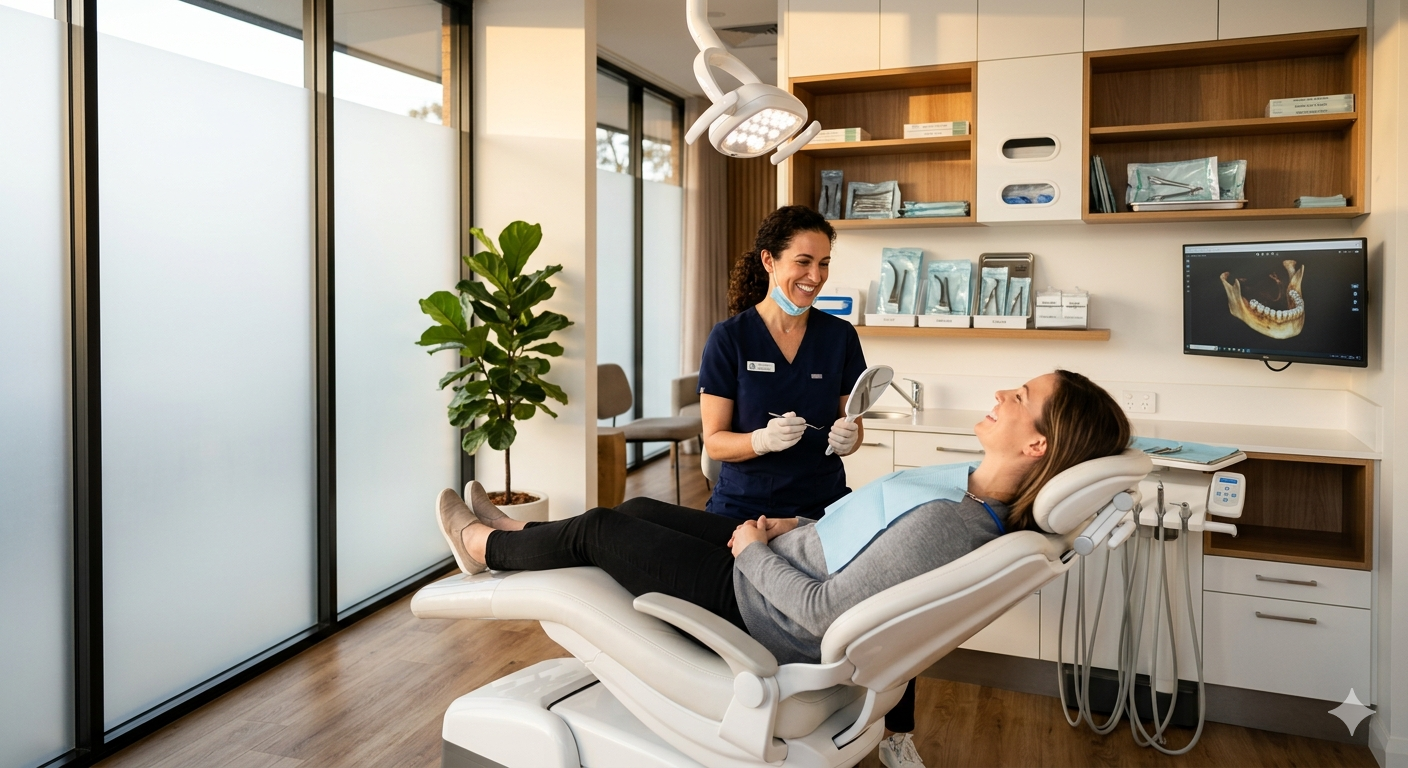
When dental pain strikes unexpectedly, finding quick and reliable care becomes a top priority. In Methuen, MA, emergency dental services are readily available to address urgent issues like severe toothaches, broken teeth, or sudden injuries. These services focus on fast relief and preventing further damage, making sure patients feel supported when they need help most.
Emergency dentists in Methuen use modern techniques to diagnose and treat problems efficiently. They prioritize patient comfort and work to ease anxiety while offering solutions tailored to each person’s needs. Whether it’s a weekend or after-hours situation, these clinics are prepared to provide care outside regular dental visits.
Knowing where to turn during a dental emergency can reduce stress and protect long-term oral health. Readers will learn how to recognize urgent situations, what to expect from emergency visits, and how Methuen dental offices strive to make emergency care accessible and compassionate.
Recognizing Dental Emergencies
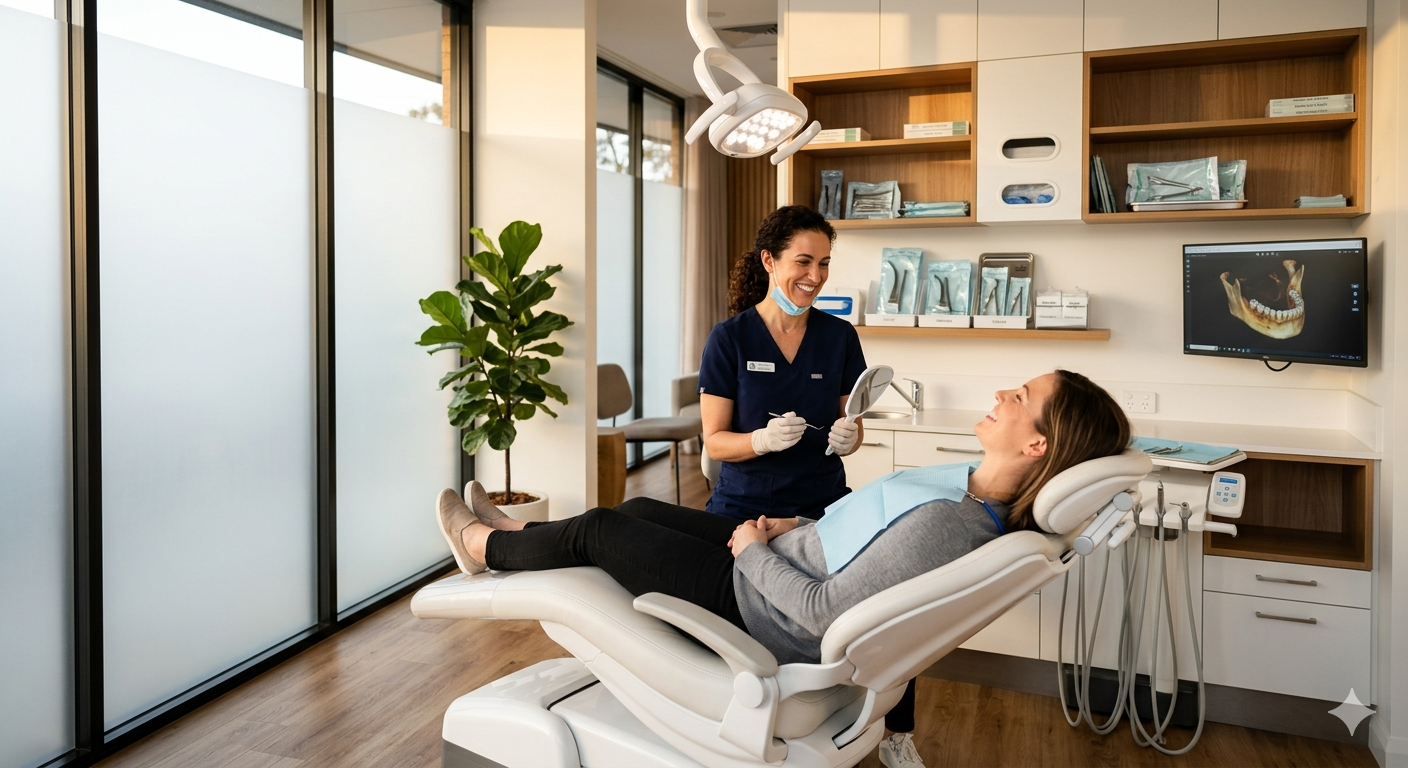
Dental emergencies can happen suddenly and require quick recognition to prevent worsening conditions. Knowing what signs to watch for and when to act can safeguard your oral health and reduce pain.
Common Signs of Urgent Dental Issues
Severe tooth pain that doesn’t improve with over-the-counter painkillers is a clear red flag. Pain that shoots through the jaw, ears, or head may indicate infection or nerve involvement. Swelling around the gums or face, especially if it’s increasing, also signals a problem.
Bleeding from the mouth that won’t stop after 15 minutes of gentle pressure is serious. Loose or knocked-out teeth after trauma need immediate attention to save them. Other signs include sudden sensitivity to hot or cold and visible abscesses or lumps on the gums.
When to Seek Immediate Help
Immediate dental help is essential for injuries like broken, chipped, or displaced teeth. If a tooth is knocked out, quick action within an hour increases the chance of re-implantation. Uncontrolled bleeding or swelling that affects breathing or swallowing calls for emergency care now.
Persistent pain lasting more than two days or spreading infections can worsen quickly. Fever combined with dental pain usually means the infection has spread beyond the tooth and needs prompt treatment. Delaying care can lead to more complicated, costly procedures.
Understanding What Constitutes an Emergency
Not every dental problem is an emergency. Cracked fillings or mild sensitivity can wait for a regular appointment. Emergencies are situations where pain, infection, or trauma threatens tooth survival or overall health.
An emergency generally involves severe pain, persistent bleeding, significant swelling, or tooth loss caused by injury. Ignoring these signs can risk permanent damage. Knowing these boundaries helps patients prioritize their care and avoid unnecessary visits.
Immediate Steps to Take During a Dental Crisis
Knowing how to act quickly can protect your teeth and reduce pain until professional care is available. Simple home measures often ease discomfort and prevent further damage.
Managing Pain and Discomfort at Home
Pain relief starts with over-the-counter medications like ibuprofen or acetaminophen, which help reduce inflammation and dull the pain. Avoid aspirin since it can thin blood and worsen any bleeding.
Applying a cold compress to the cheek near the injured area can reduce swelling and numb the pain. Use it for 15 minutes on, then 15 minutes off.
Keep the head elevated to minimize throbbing. Rinse gently with warm saltwater to clean out the mouth, but avoid harsh rinsing if the injury causes bleeding.
Eating should be limited to soft foods and avoid hot, cold, or sugary drinks, which can irritate sensitive teeth.
What to Do After a Tooth Knocked Out
Time is critical when a tooth is knocked out. Find the tooth immediately and handle it by the crown, not the root, to avoid damaging cells needed for reattachment.
If dirty, rinse the tooth gently with water but do not scrub. Try to place the tooth back into its socket if possible; this increases the chance of saving it.
If reinsertion isn’t possible, store the tooth in milk, saline, or the patient’s saliva to keep it moist. Avoid plain water, which can damage cells.
Seek emergency dental care within an hour for the best chances of re-implantation success.
Handling Broken or Chipped Teeth
When a tooth breaks or chips, collect any pieces and rinse the mouth with warm water. Applying a cold compress helps control pain and swelling.
For sharp edges, covering them with sugarless gum or dental wax in the meantime can prevent injury to the tongue or cheek.
Avoid chewing on the broken side and stick to soft foods. Over-the-counter painkillers can relieve discomfort.
A dentist can repair the tooth with bonding, veneers, or crowns depending on damage. Immediate care prevents infection and protects the tooth’s structure.
Available Treatments for Urgent Dental Needs
Emergency dental care focuses on relieving pain quickly and addressing serious dental problems to prevent further damage. Treatments often include procedures that can be completed in a single visit, temporary fixes to stabilize the issue, and modern pain management options to keep patients comfortable throughout their care.
Same-Day Dental Procedures
Many emergency dental services in Methuen, MA, offer same-day treatments to fix urgent issues promptly. These may include tooth extractions for severely damaged or infected teeth, root canal therapy to remove infection while saving the tooth, and repair of broken or chipped teeth using bonding or crowns.
Dentists prioritize procedures that restore function and stop pain as quickly as possible. For example, a loose tooth might be stabilized with splinting on the same day. These treatments minimize the need for multiple visits and help patients get back to normal activities without prolonged discomfort.
Temporary and Permanent Solutions
When immediate tooth restoration isn’t possible, dentists provide temporary solutions such as dental cement or fillings to protect exposed nerves or cracked teeth. These short-term repairs help control pain and prevent infection while planning for permanent care.
Permanent treatment might include crowns, bridges, or dental implants that restore appearance and chewing ability. Emergency dentists also address gum injuries with sutures or special mouthguards. All solutions focus on patient comfort and preventing further complications.
Modern Pain Management Techniques
Pain control is a key part of emergency dental care. Providers use a combination of local anesthesia, sedation options, and over-the-counter medications to ensure patients feel as little discomfort as possible during treatment.
Newer techniques include nitrous oxide sedation, which calms anxiety without putting patients fully to sleep, and targeted nerve blocks that numb only the affected area. Pain medications are often prescribed post-treatment, along with clear instructions for safe use at home.
How Emergency Consultations Work in Methuen
Emergency dental visits in Methuen are designed to provide quick, effective care for sudden dental issues. The process focuses on assessing immediate problems, offering relief, and planning treatment. Patients can expect straightforward steps from arrival through follow-up care.
What to Expect During Your Visit
When patients arrive for an emergency consultation, the team first gathers details about the dental problem and overall health. This helps prioritize treatment based on pain severity and urgency. A quick examination follows, which may include X-rays to pinpoint damage or infection.
Dentists explain the situation clearly and outline treatment options before starting any procedures. Pain management is a priority, so local anesthesia or other measures are used as needed. The goal is to stabilize the problem and prevent further complications.
Flexible Scheduling and Walk-In Policies
Many Methuen dental offices offer flexible scheduling to accommodate emergencies outside normal hours. Some accept walk-ins, though calling ahead is encouraged to reduce waiting times. Patients should inquire about specific hours and availability for emergency care.
Practices often reserve slots for urgent cases, making it easier to get seen quickly. Evening and weekend appointments are becoming more common. This helps ensure patients can address pain or trauma without long delays.
Follow-Up and Aftercare
After emergency treatment, dentists provide clear instructions on care at home, such as pain control, ice packs, or eating soft foods. Follow-up visits may be scheduled to complete repair work or monitor healing closely.
Patients receive guidance on preventing similar emergencies in the future. Communication lines remain open to answer any concerns after leaving the office. This continued support helps patients feel secure as they recover.
Preventing Future Dental Emergencies
Maintaining good dental habits and staying proactive with care are essential steps to reduce the chances of sudden dental problems. Simple daily routines and regular visits to the dentist can keep teeth strong and healthy and catch issues before they become emergencies.
Tips for Protecting Your Teeth
Protecting teeth starts with wearing a mouthguard during sports or physical activities to prevent chips or fractures. Avoid chewing hard foods like ice, popcorn kernels, or hard candies that can cause cracks or breaks. If grinding teeth at night is an issue, a dentist can provide a custom nightguard to reduce wear and prevent damage.
Brushing twice daily with fluoride toothpaste and flossing once a day removes plaque and food particles. Limiting sugary snacks and drinks helps prevent decay that might lead to painful infections. Staying hydrated promotes saliva flow, which naturally protects teeth from bacteria buildup.
Importance of Routine Checkups
Routine dental visits allow early detection of problems such as cavities, gum disease, or loose fillings before they worsen. Dentists can professionally clean teeth to remove hardened plaque (tartar) and identify areas of weakness that may require treatment.
During these visits, X-rays may be taken to spot issues below the surface that can’t be seen otherwise. This way, treatments can be planned to avoid emergency situations, saving patients time, pain, and expense. Regular dental care also provides an opportunity to update protective gear and discuss any new habits or concerns.
Choosing the Right Dentist for Urgent Care
When a dental emergency strikes, quick and reliable care matters most. Finding a dentist who offers emergency services in Methuen, MA means looking for someone experienced and accessible.
Patients should consider a dentist who provides extended hours or weekend availability. This flexibility ensures help is ready when regular offices are closed. It’s also important that the dentist can handle various urgent issues, from severe toothaches to broken teeth.
Comfort is key during emergency visits. A good urgent care dentist will prioritize gentle, compassionate treatment to ease pain and anxiety. Many offices also use modern technology for faster, more effective care.
It helps to check if the dentist accepts your insurance or offers affordable payment plans. Clear communication about costs can reduce stress during emergencies.
| What To Look For | Why It Matters |
|---|---|
| Quick response times | Immediate relief |
| Availability after hours | Care when you need it |
| Compassionate approach | Less anxiety and discomfort |
| Experience with urgent cases | Proper treatment for severe issues |
Choosing the right emergency dentist means balancing skills with understanding your personal needs. Patients are encouraged to call ahead with questions or visit the office to get comfortable before an emergency occurs. This prepares you to get the care you deserve without added worry.
Navigating Payment and Insurance for Emergency Visits
Emergency dental visits in Methuen, MA, can sometimes come with unexpected costs. Many patients worry about how to handle payment when they need urgent care. Understanding insurance coverage and payment options ahead of time can ease that stress.
Most dental insurance plans cover emergency services, but the extent varies. Some will pay for the entire visit, while others cover only part of the treatment. It’s important to call your insurance provider or check your policy before an emergency happens. This way, you know what to expect and can avoid surprises.
Payment options typically include cash, credit cards, and financing plans. Many dental offices offer flexible payment solutions to accommodate urgent needs. Some also work directly with insurance companies, filing claims on the patient’s behalf.
Here’s a quick overview of key points to keep in mind:
| Payment Aspect | What to Know |
|---|---|
| Insurance Coverage | Varies; check specific emergency benefits |
| Out-of-Pocket Costs | May include deductibles or co-pays |
| Payment Methods | Cash, credit, insurance, financing options |
| Pre-Approval | Call your insurer to confirm coverage |
If an emergency strikes, the dental team in Methuen can guide patients through the financial aspects with care and clarity. They will help find the best solutions so the focus stays on relieving pain and restoring oral health.
Encouraging patients to ask questions about payment and insurance before treatment ensures they feel confident and prepared. After all, knowing the details ahead reduces anxiety and helps make emergency dental care more accessible.
Supporting Children and Family Members in a Dental Emergency
Dental emergencies can be stressful, especially when children or other family members are involved. Keeping calm and offering reassurance helps reduce fear and makes the situation easier to manage.
Parents should prepare children by explaining what might happen in simple words. Letting kids know the dentist’s office is a safe place where people help teeth feel better can make a big difference.
During a dental emergency, quick action matters. For example, if a child knocks out a tooth, gently rinse it with water, avoid scrubbing, and try to place it back in the socket if possible. Otherwise, store it in milk or a tooth preservation kit and get to a dentist fast.
Family members should also watch for signs of pain, swelling, or bleeding and keep the injured person comfortable while waiting for professional care. Over-the-counter pain relief can be used, but always check the correct dosage for children.
Here’s a quick checklist for families facing dental emergencies:
| Step | Action |
|---|---|
| Stay Calm | Keep everyone relaxed and reassured |
| Protect the Tooth | Rinse gently, avoid touching roots |
| Store Properly | Use milk or saliva if tooth is out |
| Control Bleeding | Apply gentle pressure with gauze |
| Seek Immediate Care | Contact emergency dental services |
Encouraging preventive care and regular dental visits can help families avoid emergencies whenever possible. If questions arise or a situation feels unclear, consulting a dental professional promptly ensures the best care.
Take the First Step Toward Relief Today
When dental pain strikes, taking quick action is important. Patients in Methuen, MA, can find comfort knowing emergency dental services are ready to help. Whether it’s a sudden toothache or a damaged filling, prompt care can prevent complications.
Finding a trusted emergency dentist starts with knowing who to call. It helps to have contact information saved ahead of time for local clinics offering urgent care. Many practices provide after-hours phone lines, so patients aren’t left waiting in discomfort.
Here’s what to keep in mind when seeking emergency dental care:
- Describe symptoms clearly
- Mention any recent dental work
- Share medical history that might affect treatment
- Ask about available appointment times
Modern emergency dental offices focus on patient comfort. They use gentle techniques and the latest technology to ease pain quickly. This approach helps reduce anxiety and get patients back to feeling normal sooner.
If you or someone you care about faces a dental emergency, encourage them to reach out without delay. Early intervention often means simpler treatment and faster recovery. A quick call can be the first step toward relief and reassurance.
Frequently Asked Questions
Patients often want to know which dental situations need urgent care and how to handle pain or damage before seeing a dentist. Understanding the timing and steps to take can help avoid worsening problems or unnecessary visits.
What counts as a true dental emergency, and when should I seek help right away?
A true dental emergency includes severe pain, uncontrolled bleeding, or trauma like a knocked-out tooth. Immediate care is necessary if there is swelling that affects breathing or swallowing.
Pain that won’t stop, a broken tooth causing sharp edges, or sudden swelling are clear signs to seek help immediately.
What should I do if I have a dental emergency and don’t have a regular dentist?
Look for clinics offering emergency dental services in Methuen, MA, or nearby towns. Many offices accept walk-in emergency patients or provide same-day appointments.
If unsure, call local dental offices or check online for dentists advertising emergency care. Some hospitals have dental departments for urgent cases.
How can I manage tooth pain or swelling at home until I can be seen safely?
Use over-the-counter pain medication like ibuprofen to reduce pain and inflammation. Rinse your mouth gently with warm salt water to ease swelling and clean the area.
Avoid very hot or cold foods and don’t chew on the affected side. Applying a cold compress on your cheek can help reduce swelling.
What does the “3-3-3 rule” mean for a tooth infection, and when is it a red flag?
The “3-3-3 rule” warns that swelling lasting more than three days, spreading over three areas of the face, or accompanied by a fever above 103°F is serious. It signals a possible severe infection needing immediate professional treatment.
If swelling spreads rapidly or breathing becomes difficult, call emergency services right away.
Can urgent care or the ER treat a tooth problem, and when is a dentist still necessary?
Urgent care centers and ERs can provide pain relief or antibiotics but usually cannot perform dental procedures. A dentist’s care is essential for cleaning, fixing damage, or treating infections properly.
Visit a dentist as soon as possible after emergency relief to avoid complications.
If a tooth is knocked out or a crown/filling falls out, what steps should I take immediately?
For a knocked-out tooth, gently rinse it with water, avoid rubbing the root, and try to place it back in the socket if possible. If not, store it in milk or saline and see a dentist immediately.
If a crown or filling falls out, keep it safe and clean. Use dental cement or sugarless gum temporarily, but make an emergency dental appointment quickly.